Malawi, a vibrant country in southeastern Africa, boasts a rich and diverse culture shaped
by its ethnic diversity, colonial history, and local traditions. This cultural tapestry is
evident in various aspects of daily life, from clothing and food to arts and crafts, music
and dance, the emerging film industry, and the economy. Here's an overview of these
elements:
 Traditional Clothing and Attire:
Malawi's traditional clothing is a vibrant display of its cultural diversity, with distinctive
garments that reflect the identity of various ethnic groups. Women commonly wear
chitenje-colorful, patterned fabrics used as skirts, head wraps, or baby carriers. Men often
wear loose-fitting shirts and trousers, blending traditional motifs with modern styles,
highlighting the cultural heritage and pride of the Malawian people.
Traditional Clothing and Attire:
Malawi's traditional clothing is a vibrant display of its cultural diversity, with distinctive
garments that reflect the identity of various ethnic groups. Women commonly wear
chitenje-colorful, patterned fabrics used as skirts, head wraps, or baby carriers. Men often
wear loose-fitting shirts and trousers, blending traditional motifs with modern styles,
highlighting the cultural heritage and pride of the Malawian people.
 Language and Literature:
Malawi is a multilingual nation where English serves as the official language, while Chichewa is
widely spoken across the country in everyday life. The rich tradition of oral literature,
including storytelling, proverbs, and folklore, plays a crucial role in preserving Malawi's
history, cultural values, and collective wisdom, passed down through generations.
Language and Literature:
Malawi is a multilingual nation where English serves as the official language, while Chichewa is
widely spoken across the country in everyday life. The rich tradition of oral literature,
including storytelling, proverbs, and folklore, plays a crucial role in preserving Malawi's
history, cultural values, and collective wisdom, passed down through generations.
 Music and Dance:
Music and dance are integral to Malawian culture, serving as both entertainment and essential
elements of ceremonies and social events. Traditional dances like Gule Wamkulu and Vimbuza
convey stories, cultural values, and spiritual beliefs, while contemporary music incorporates
both traditional and modern elements, creating a unique Malawian sound.
Music and Dance:
Music and dance are integral to Malawian culture, serving as both entertainment and essential
elements of ceremonies and social events. Traditional dances like Gule Wamkulu and Vimbuza
convey stories, cultural values, and spiritual beliefs, while contemporary music incorporates
both traditional and modern elements, creating a unique Malawian sound.
 Ceremonies and Festivals:
Malawi is known for its rich cultural ceremonies and vibrant festivals. These include initiation
rites, harvest celebrations, and events like the Lake of Stars Festival, which showcase the
country's diverse traditions and promote local and international music, arts, and culture.
Ceremonies and Festivals:
Malawi is known for its rich cultural ceremonies and vibrant festivals. These include initiation
rites, harvest celebrations, and events like the Lake of Stars Festival, which showcase the
country's diverse traditions and promote local and international music, arts, and culture.
Malawi Clothing
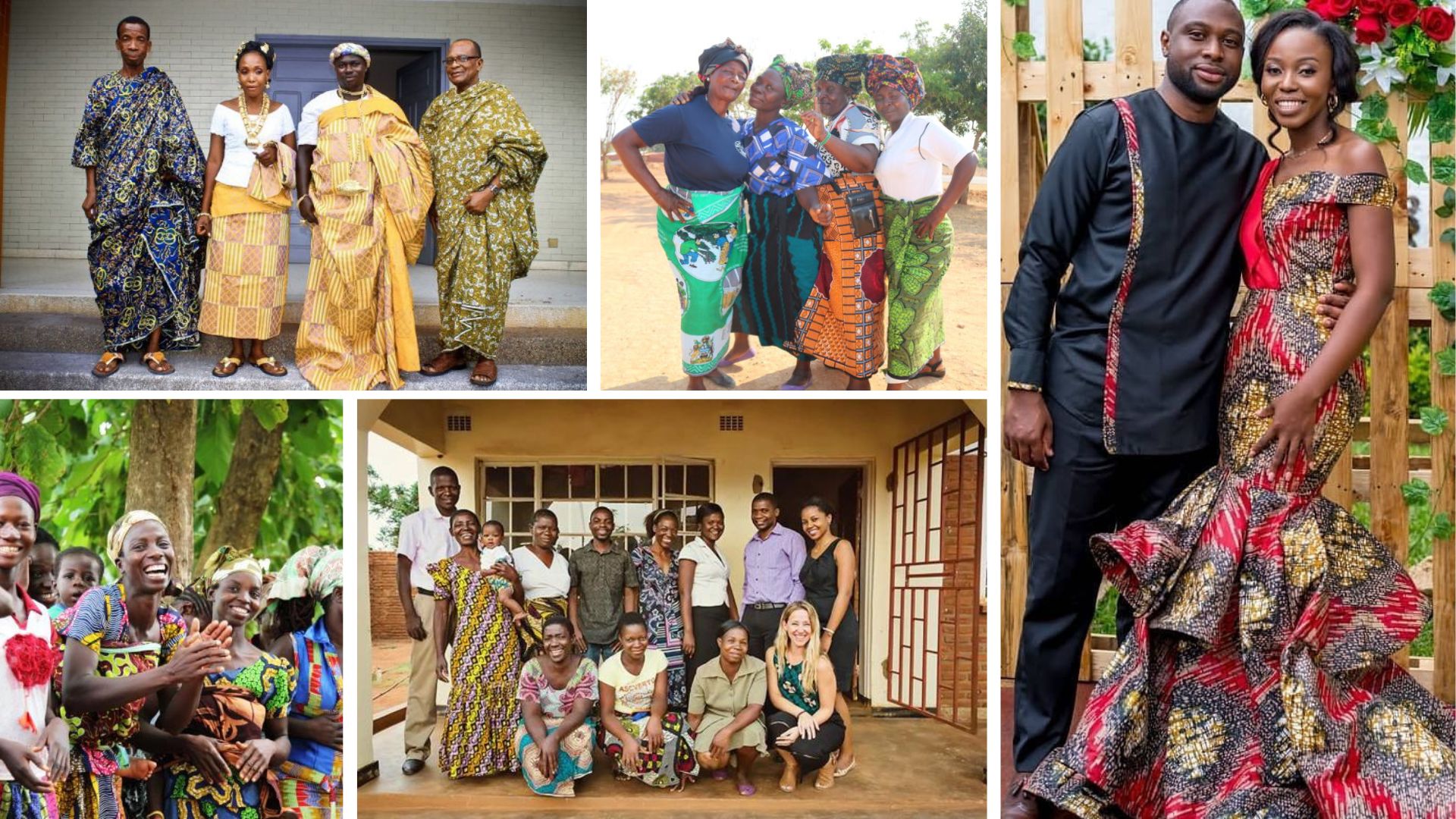
Traditional clothing in Malawi is a vivid representation of its cultural diversity and heritage. Women often wear the chitenje, a colorful and patterned fabric used as skirts, head wraps, or baby carriers. This versatile cloth is also worn during important ceremonies, dances, and community gatherings, symbolizing unity and identity. Men's attire varies from loose-fitting shirts and trousers featuring traditional patterns to more contemporary designs, blending old and new styles. Modern influences have integrated Western clothing with traditional elements, reflecting Malawi’s evolving fashion landscape while still honoring its roots.
Malawi Food
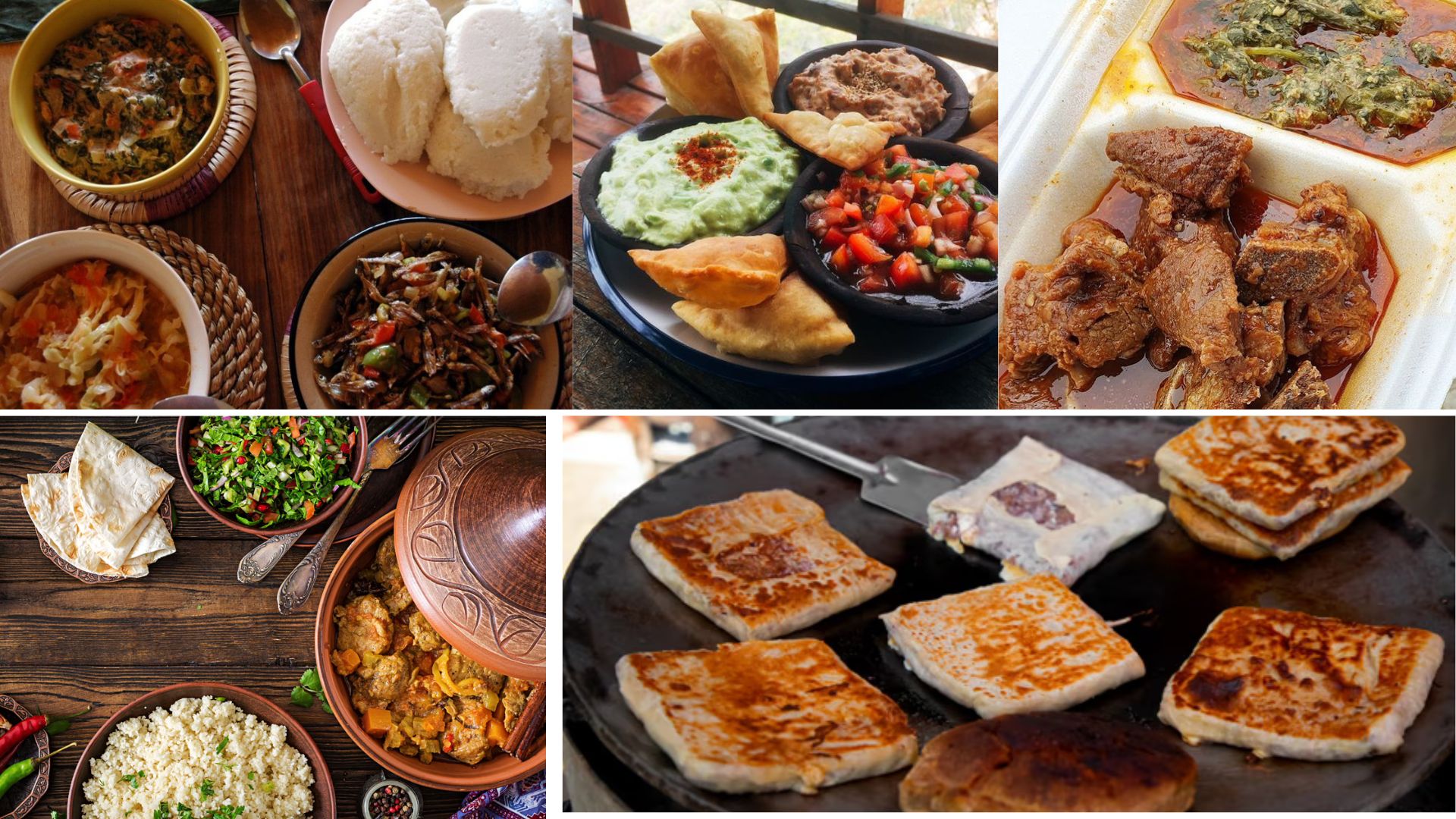
Malawian cuisine is deeply connected to its agricultural landscape and lakes. The staple food is nsima, a thick porridge made from maize flour, which is commonly served with ndiwo—a side dish that may include fresh fish like chambo from Lake Malawi, green leafy vegetables, beans, or meat. These meals are simple yet flavorful, often seasoned with local herbs and spices. Fresh produce from the fertile regions of Malawi plays a significant role in the diet, making meals both nutritious and representative of the country’s agrarian economy. Dishes are often prepared with communal spirit, reflecting the warm hospitality of Malawian culture.
Malawi Arts and Crafts
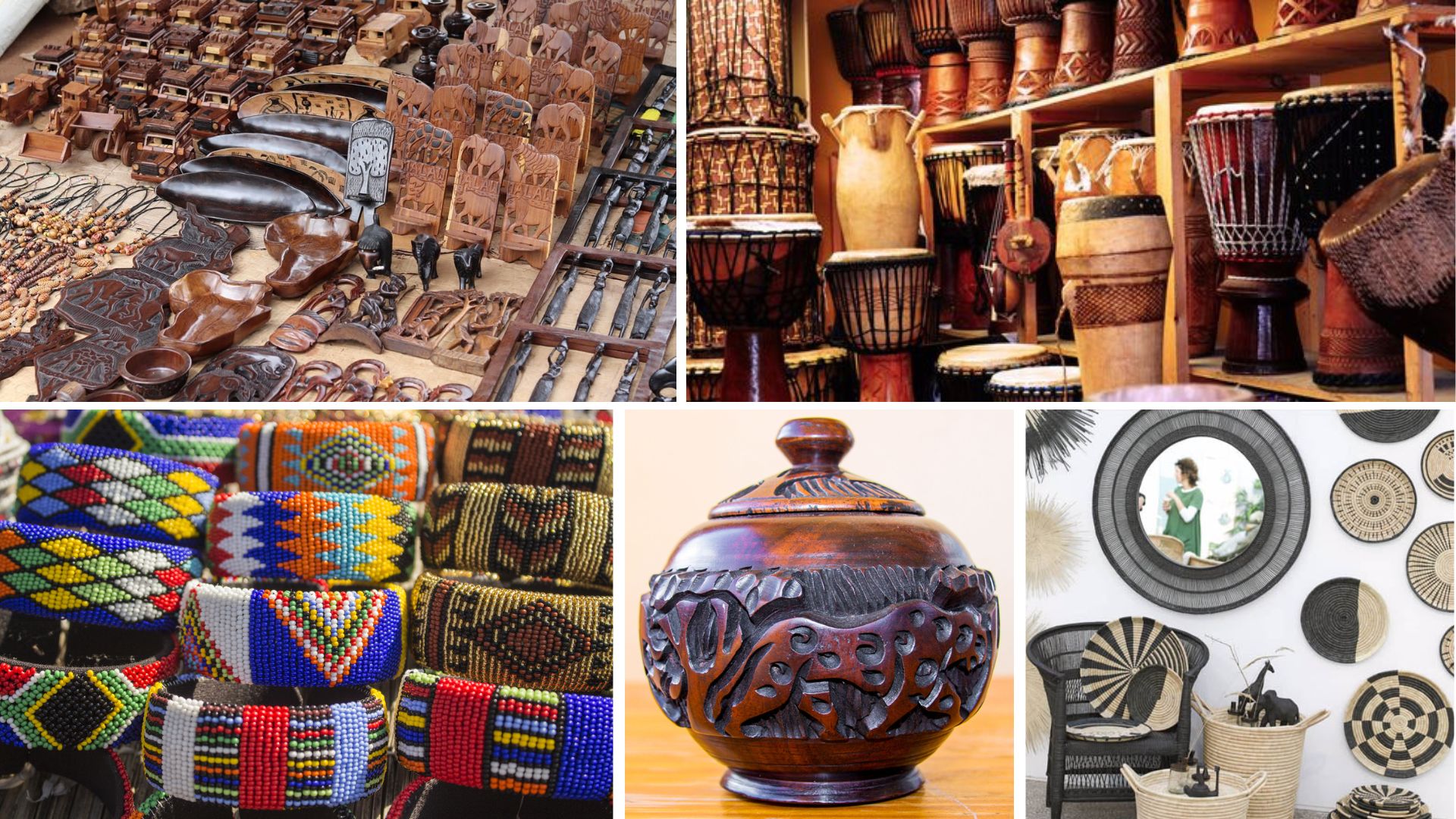
Malawi's arts and crafts scene is a vibrant reflection of its cultural history and creativity. The country is famous for its intricate wood carvings, particularly the Malawian chief's chair, a symbol of authority and tradition. Basket weaving, pottery, and textile work are also significant crafts practiced by local artisans, often made with natural materials sourced from the environment. These crafts are not only forms of artistic expression but also serve as a source of income for many communities. Markets and tourist areas across Malawi are filled with handmade crafts that tell stories of local folklore, daily life, and the country’s natural beauty.

Malawi Film Industry
The Malawian film industry is an emerging creative field that is beginning to gain traction both locally and internationally. It focuses on storytelling that highlights the unique cultural narratives, social challenges, and everyday experiences of Malawians. Films produced in Malawi often explore themes like poverty, HIV/AIDS, and human rights, bringing local stories to global audiences. While the industry is still in its infancy, recent productions have gained recognition at international film festivals, paving the way for future growth and investment in this promising sector.
Malawi Economy
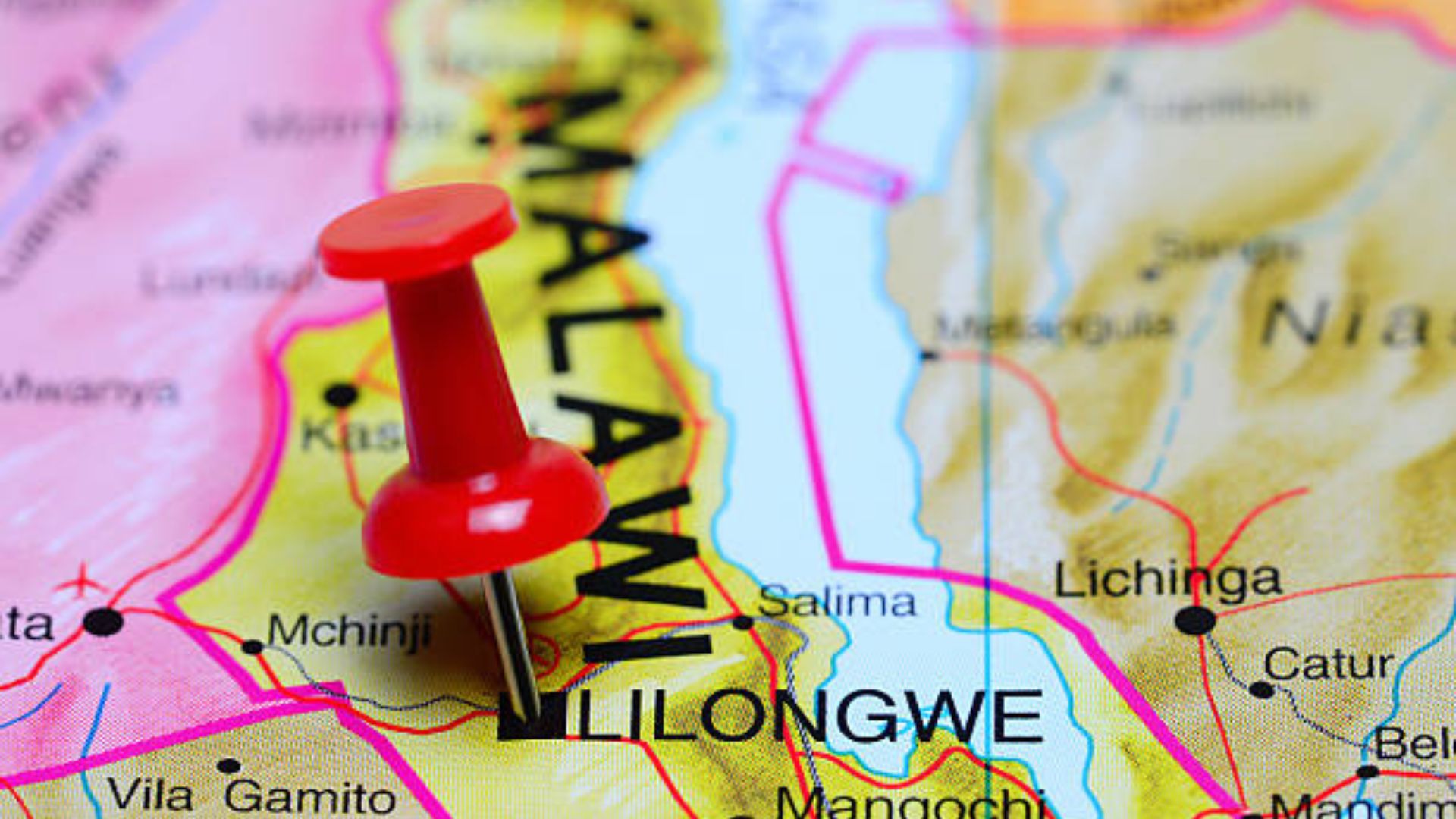
Malawi's economy is predominantly agricultural, with the majority of its population engaged in farming. Key exports such as tobacco, tea, and sugar are vital to its economy, but reliance on these crops makes it vulnerable to global market fluctuations. Efforts are underway to diversify the economy by promoting sectors like tourism, mining, and services. The government is also investing in infrastructure development and education to create a more sustainable economic future. Despite challenges like poverty and limited industrialization, Malawi’s economic landscape shows potential for growth through strategic planning and foreign investment.